
Contents
Balance transfer versus personal loan decisions can feel confusing when high-interest debt keeps growing. Both options may reduce interest, but they work differently. A balance transfer moves eligible debt to another credit card. A personal loan replaces several balances with one fixed installment loan.
Therefore, the right choice depends on your credit profile, repayment timeline, fees, and spending habits. This guide compares both options clearly. It also explains when each strategy may help, what risks to watch, and how to choose responsibly.
Balance Transfer Versus Personal Loan: How Each Option Works
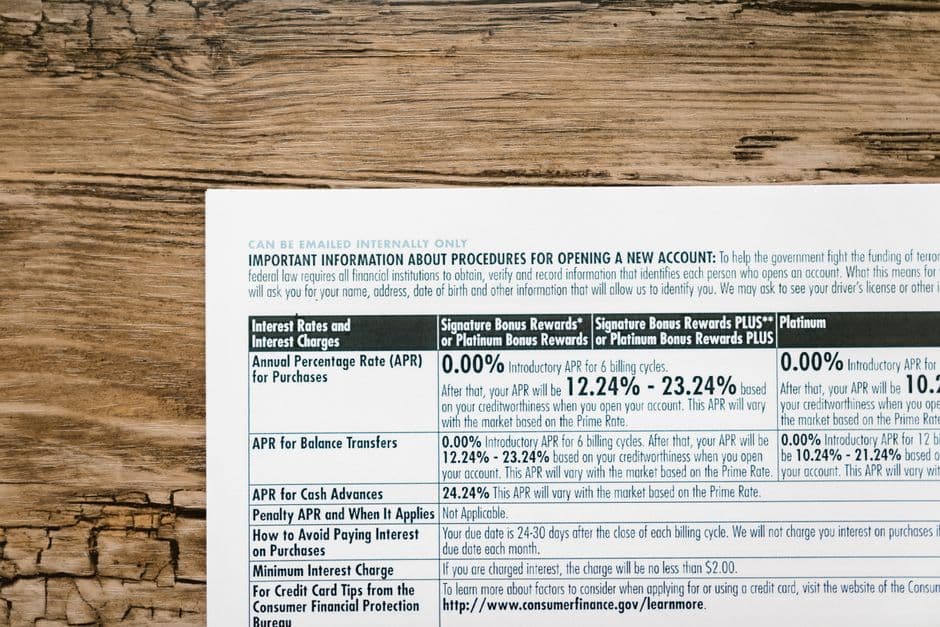
A balance transfer lets you move existing credit card debt to a new card. Many cards offer a temporary introductory annual percentage rate. However, the promotional period usually ends after a set number of months.
Moreover, the new card may charge a balance transfer fee. That fee often equals a percentage of the transferred amount. You must also make minimum payments during the promotional period. Missing a payment could damage your credit and affect promotional terms.
A personal loan provides a lump sum that you use to repay existing debts. Then, you make fixed monthly payments to the lender. Because the loan has a defined term, you can see when repayment should end.
Balance Transfer Versus Personal Loan: Comparing Interest and Fees
A balance transfer may provide the lowest short-term interest cost. However, the introductory rate does not last forever. You need a realistic payoff plan before the regular rate begins.
Personal loans usually charge a fixed interest rate. Your rate depends on credit history, income, debt, and lender requirements. Therefore, a strong borrower may receive a competitive offer, while a weaker profile may receive a costly rate.
Compare the full cost instead of comparing advertised rates alone. Include transfer fees, origination fees, late fees, and interest. The Consumer Financial Protection Bureau explains personal loan costs and common considerations.
UpCardsCredit card comparatorPick 2 cards and see, line by line, what changes between them.Use it →When a Balance Transfer May Make More Sense
A balance transfer may suit you when you have good credit and a manageable repayment plan. It can work especially well for debt you expect to eliminate within the promotional period.
Furthermore, this strategy may simplify interest reduction without creating a separate installment account. You still need enough available credit for the transfer. The issuer may also approve only part of your requested amount.
Choose this option carefully if you can avoid new card purchases. Adding fresh charges could increase your balance. In addition, the regular interest rate may become expensive after the promotion ends.
When a Personal Loan May Be the Better Choice
A personal loan may help when you want predictable payments and a clear payoff date. Fixed payments can make budgeting easier. Therefore, this option may suit borrowers who prefer structure.
It can also consolidate multiple credit card balances into one monthly bill. However, consolidation does not reduce debt by itself. You still need to control spending and maintain a repayment budget.
Check whether the lender charges an origination fee. Also, review the annual percentage rate, loan term, monthly payment, and total repayment amount. A longer term may lower monthly costs but increase total interest.
How to Choose Between These Debt Strategies
Start by listing every balance, interest rate, minimum payment, and due date. Next, estimate how much you can pay monthly. This information gives you a practical comparison.
Then, calculate the total cost for each option. Include every fee and assume you will repay the balance on schedule. Moreover, test what happens if you need more time than expected.
Finally, consider your financial behavior. A balance transfer requires careful card management. A personal loan requires reliable monthly payments. You can learn more here about building a debt repayment plan and tracking your progress.
Credit Score and Approval Considerations
Both options may require a credit review. Lenders and card issuers typically evaluate payment history, debt levels, income, and recent applications.
Applying for several products within a short period may create multiple hard inquiries. Therefore, compare offers first and apply selectively. Prequalification may show estimated terms without the same impact, but confirm each provider’s process.
Also, avoid closing old accounts automatically after consolidation. Account age and available credit can affect your credit profile. Ask how each decision may influence your broader financial plan.
Frequently Asked Questions
Is a balance transfer better than a personal loan?
Neither option works best for everyone. A balance transfer may cost less during its promotional period. A personal loan may offer predictable payments and a fixed payoff date. Compare total costs, fees, and your repayment timeline before choosing.
Does a balance transfer hurt your credit score?
A balance transfer application may create a hard inquiry. However, lowering your credit utilization could help your profile over time. The result depends on account age, payment history, total balances, and whether you apply for additional credit.
Can I transfer a personal loan balance to a credit card?
Some card issuers allow transfers from personal loans, but policies vary. Check the card agreement before applying. Also, compare the transfer fee and promotional period against your personal loan’s remaining cost.
What happens if I cannot repay the balance transfer in time?
The remaining balance usually begins accruing interest at the card’s regular rate. Therefore, estimate your monthly payment before transferring debt. Contact the issuer promptly if your repayment plan becomes difficult.
Conclusion
Balance transfer versus personal loan comparisons should focus on total cost, repayment speed, and personal financial habits. A balance transfer may offer temporary interest savings. A personal loan may provide stable payments and a defined payoff schedule.
Before deciding, compare written offers and calculate realistic monthly payments. Then, choose the option you can manage without adding new debt. Most importantly, keep every payment on time and review your budget regularly.


