
Contents
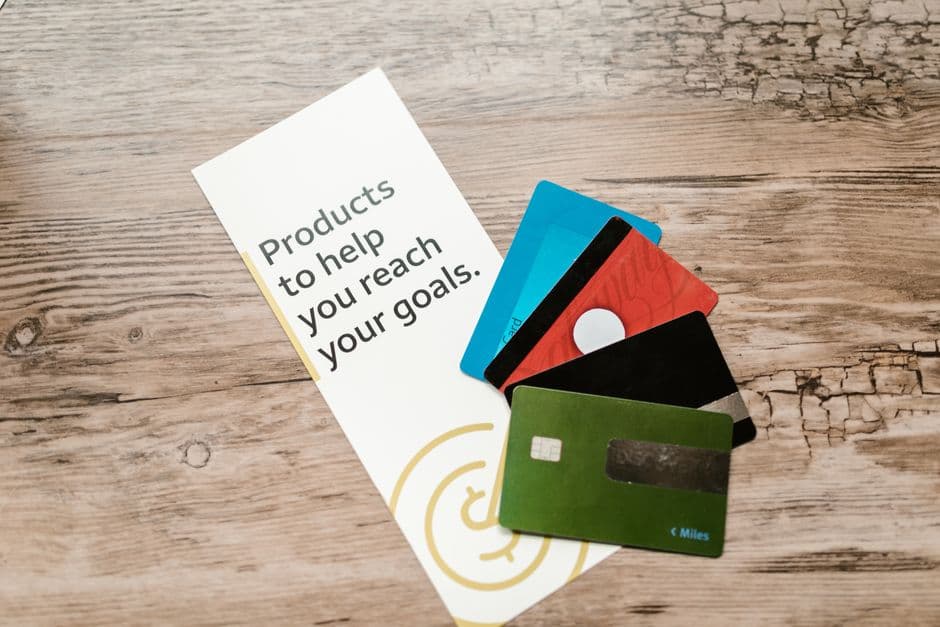
The best credit cards for beginners offer simple terms, manageable fees, and tools that help you build healthy credit. Your first card should match your spending habits and financial goals.
However, the right choice depends on more than rewards. You should also compare interest rates, annual fees, approval requirements, credit limits, and reporting practices. This guide explains the key details to review before applying.
Best Credit Cards for Beginners: What to Look For
First, look for a card that reports your payment activity to the three major credit bureaus. Consistent, on-time payments can help establish a positive credit history over time.
Next, review the annual fee and ongoing costs. Many beginner cards charge no annual fee, but some secured cards include fees for account maintenance or applications. Therefore, read the pricing information before you apply.
Also, choose a card with clear account controls. Automatic payments, spending alerts, free credit-score updates, and mobile access can make responsible card management easier.
Best Credit Cards for Beginners With No Credit History
If you have no credit history, a starter card or secured card may offer a practical entry point. Issuers often evaluate limited credit information differently from established credit profiles.
A secured card usually requires a refundable cash deposit. That deposit may determine your starting credit limit, although the issuer still reviews your application. Moreover, responsible use may support a future upgrade to an unsecured card.
Before choosing a secured card, confirm the deposit rules and graduation policy. You should also check whether the issuer returns your deposit when you close or upgrade the account.
UpCardsCredit card comparatorPick 2 cards and see, line by line, what changes between them.Use it →Best Credit Cards for Beginners With Rewards
Rewards can provide value, but they should not drive every decision. A simple cash-back card may suit beginners who want straightforward earnings without tracking rotating categories.
Some cards offer rewards for groceries, gas, dining, or other purchases. However, bonus categories can change, and certain offers require enrollment. Therefore, read the terms and choose a structure you can manage consistently.
Never spend extra money just to earn rewards. Interest charges can outweigh the value of points or cash back. Pay the full statement balance whenever possible, and view rewards as a small benefit rather than a spending target.
For general guidance about credit reports and responsible credit use, visit the Consumer Financial Protection Bureau’s credit card resources.
How to Compare Beginner Credit Card Fees
Fees can significantly affect a card’s value. Start with the annual fee, then review balance-transfer fees, foreign transaction fees, late fees, and cash advance costs.
Interest rates also deserve attention, even if you plan to pay in full. Unexpected expenses can make that difficult. Consequently, compare the card’s annual percentage rate and understand how interest applies to unpaid balances.
Promotional offers require careful review. A low introductory rate may expire after a set period, while a balance transfer may carry an upfront fee. Write down important dates so the offer does not surprise you later.
How to Use the Best Credit Cards for Beginners
Use your card for planned purchases that fit your budget. Then, pay the statement balance by the due date. This approach can help you avoid interest while building a consistent payment record.
Keep your balance modest compared with your credit limit. Although credit scoring models consider several factors, lower reported balances may make credit utilization easier to manage. Moreover, paying early can reduce the balance reported by some issuers.
Review your account every week. Look for unfamiliar transactions, upcoming due dates, and changes to fees or terms. You can learn more here about budgeting, payment planning, and other personal finance topics.
Common Beginner Mistakes to Avoid
Applying for many cards at once can create unnecessary hard inquiries and make account management harder. Instead, compare options carefully and submit one thoughtful application.
Another mistake involves closing an older account without considering the consequences. Closing a card can reduce available credit and change your account history. Ask the issuer about alternatives before making that decision.
Finally, avoid carrying a balance simply to build credit. You do not need to pay interest to establish responsible credit habits. On the other hand, you should use the card occasionally and pay according to the agreement.
Frequently Asked Questions
What are the best credit cards for beginners with no credit?
The best option may include a student card, starter card, or secured card. Compare approval requirements, annual fees, deposit rules, and credit-bureau reporting. Choose an account that fits your budget and offers clear payment tools.
Should beginners choose a secured credit card?
A secured card can help people with limited or no credit history. You usually provide a refundable deposit, which may support the account’s credit limit. However, review the issuer’s upgrade policy, fees, and refund terms first.
Is a cash-back card good for a first credit card?
A cash-back card can work well if you want simple rewards and already qualify. Still, compare fees and interest rates before applying. Rewards should never encourage purchases that exceed your budget.
How much should a beginner spend on a credit card?
Spend only what you can repay comfortably. A practical approach involves using the card for planned expenses, tracking the balance, and paying the full statement balance by the due date.
Does carrying a balance build credit faster?
No. Carrying a balance can create interest charges and does not provide a special credit-building benefit. Instead, make payments on time, keep balances manageable, and use the account consistently.
Conclusion
The best credit cards for beginners combine manageable costs, practical approval requirements, and features that support responsible habits. Start by comparing fees, reporting practices, rewards, and account controls.
Then, choose one card that fits your budget instead of applying for several accounts. Use it for planned purchases, monitor your balance, and pay on time. With consistent habits, your first credit card can become a useful foundation for your financial future.